Caring for Knives and Cutlery Properly
A good knife is the most important tool in your kitchen. Whether you've invested in a Damascus steel gyuto or a high-carbon chef knife, proper care will keep it performing at its best for years. Here's what you need to know.
Washing Your Knives
Always hand wash knives immediately after use with warm water and mild soap. Never put quality knives in the dishwasher — the heat, detergent, and rattling can damage the blade and handle. Dry thoroughly with a soft cloth before storing.
Sharpening vs Honing
These are two different processes. Honing with a ceramic rod realigns the blade edge and should be done every few uses. Sharpening removes metal to create a new edge and should be done every few months, or when the knife feels dull even after honing.
Using a Whetstone
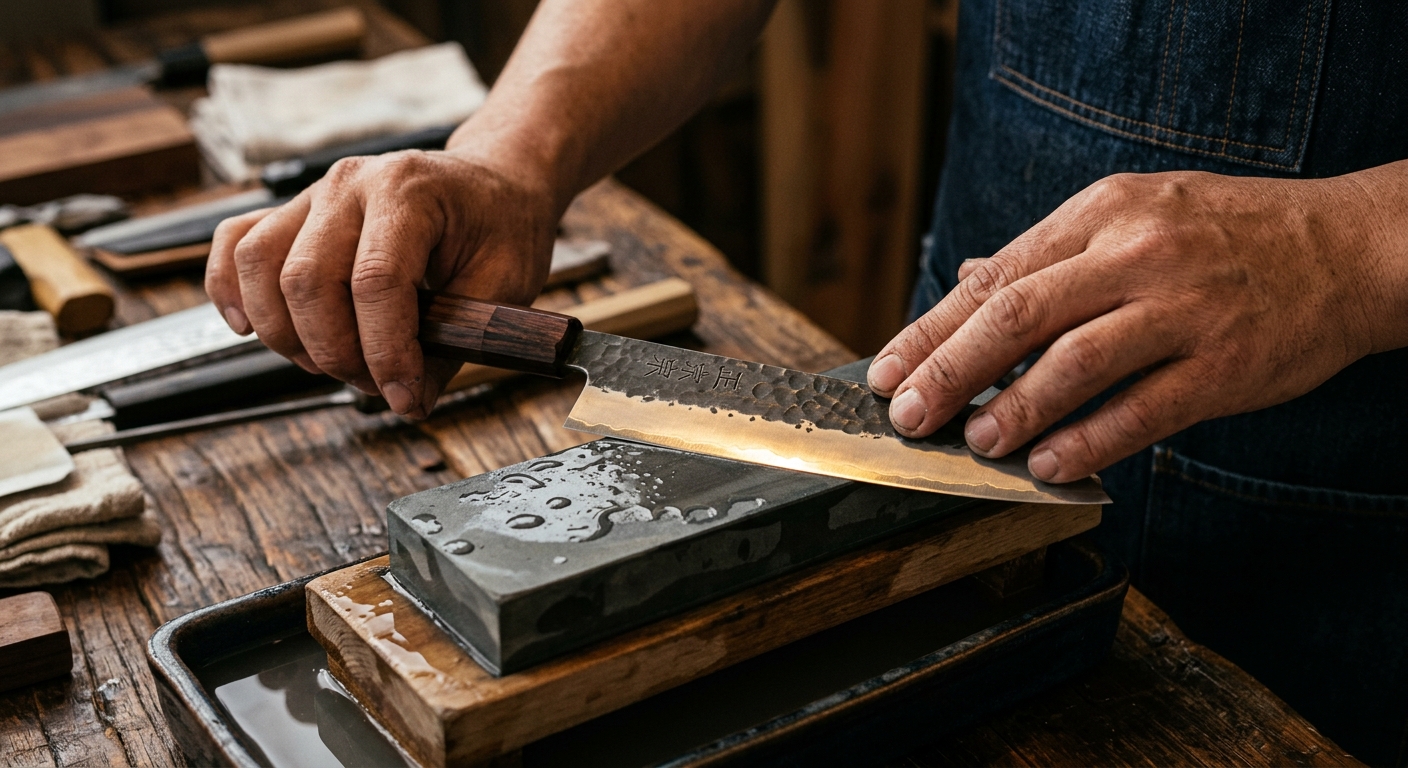
For Japanese-style knives, a whetstone is the best sharpening tool. A 1000/6000 grit combination stone covers most needs — use the 1000 grit side to sharpen and the 6000 grit side to polish. Soak the stone for 10 minutes before use, and maintain a consistent 15-20 degree angle.
Proper Storage
Store knives in a wooden block, magnetic strip, or blade guards. Never store loose in a drawer — the blades will knock against each other, dulling the edges. A magnetic strip keeps knives visible and accessible while protecting the edges.
Cutting Surfaces
Always cut on wood or plastic cutting boards. Never use glass, marble, or stone — these surfaces will dull your knife quickly. End-grain wooden boards are gentlest on blades and self-heal from cuts.
What to Avoid
Don't use your kitchen knives to cut frozen foods, bones, or open packages. Don't twist or pry with the blade. High-carbon steel knives can rust — dry them immediately and apply a thin coat of mineral oil if storing for long periods.
With consistent care, a quality knife will develop a patina and character while maintaining its sharp edge. The difference between a well-maintained knife and a neglected one is night and day — in safety, speed, and the quality of your cuts.
Continue Reading
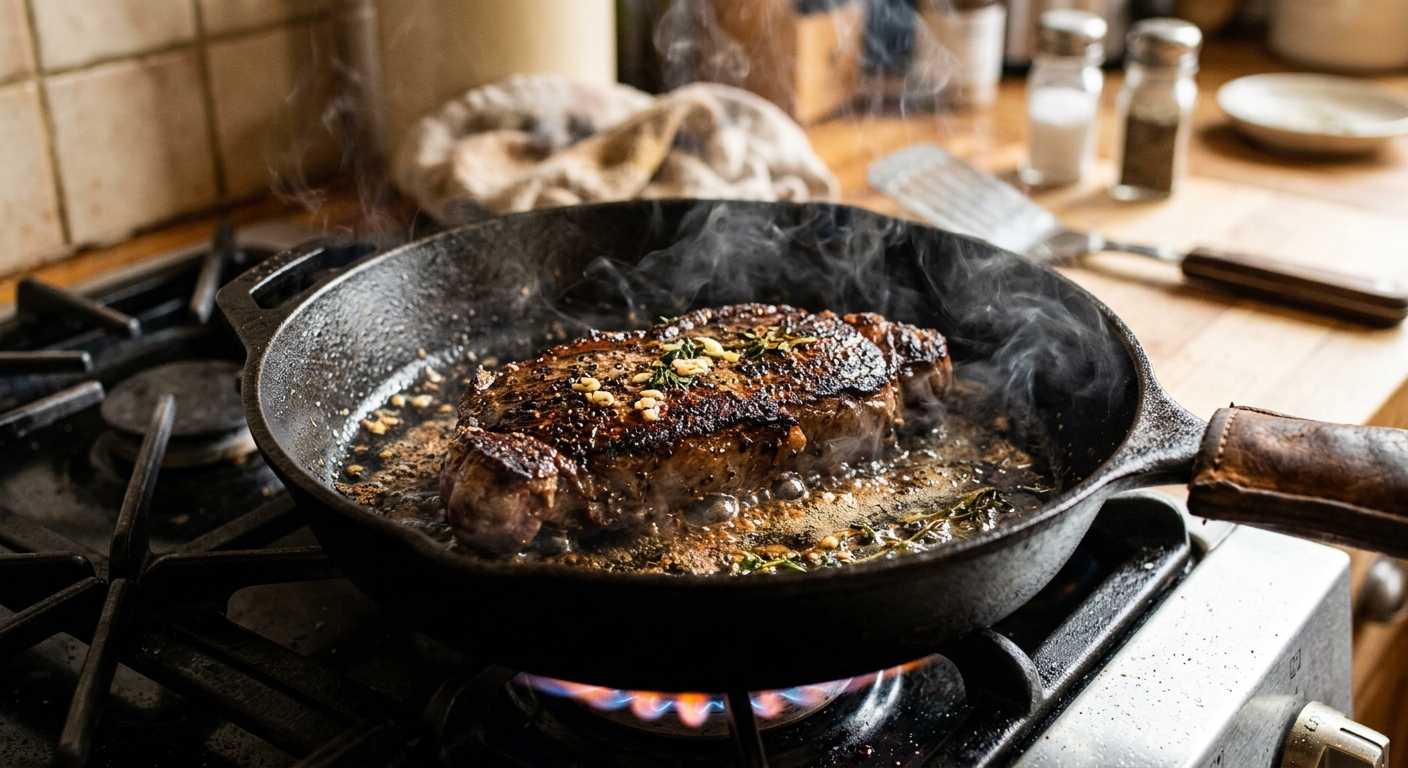
How to Choose the Right Cast Iron Cookware
A practical guide to selecting cast iron skillets, woks, griddles, and Dutch ovens — covering sizing, seasoning, and what to cook in each piece.
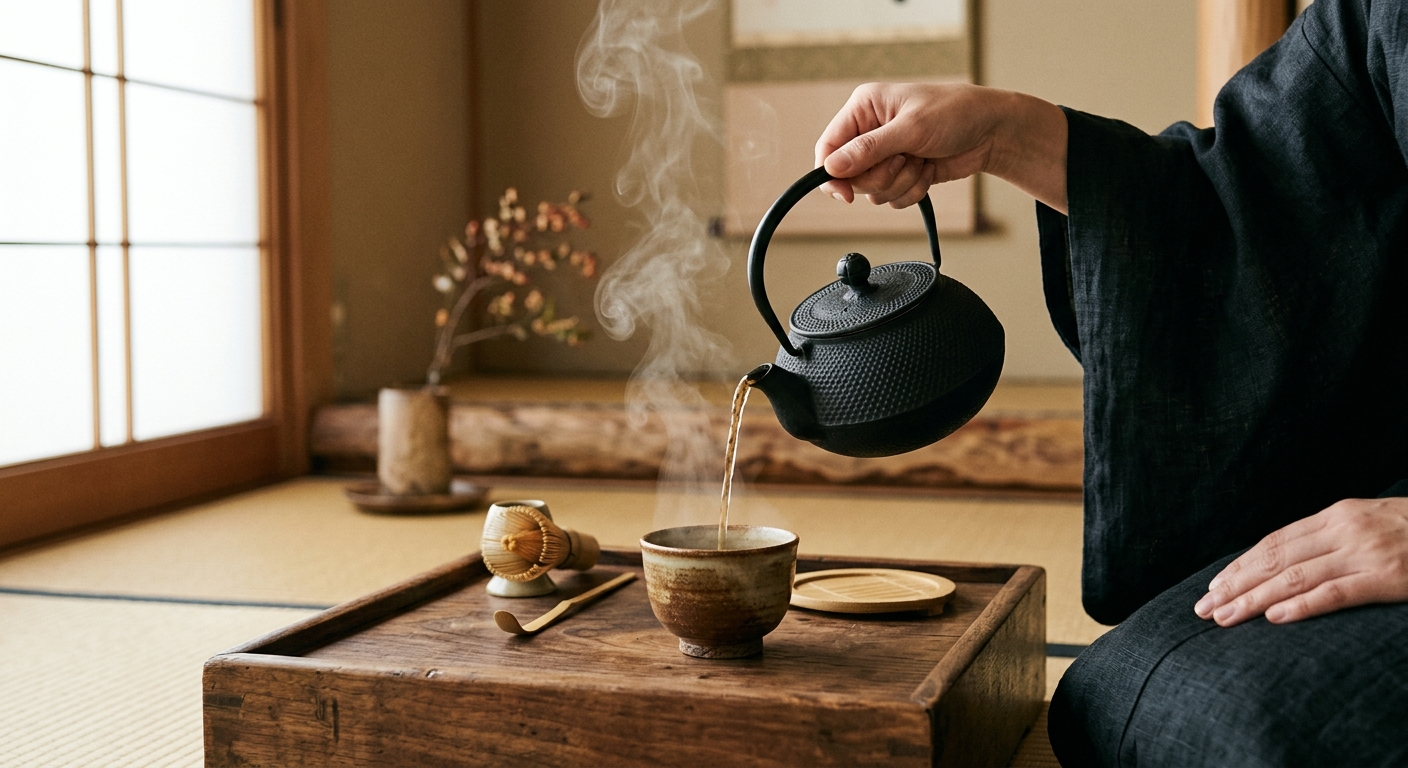
A Beginner's Guide to Tea Ware
From cast iron teapots to porcelain gaiwans, learn which tea ware suits your brewing style and how to choose the right pieces for your tea ritual.